When someone signs up with a personal trainer, the immediate expectation is accountability and a better workout. What they often discover after a few months is that the relationship changed how they move, how they recover, and how they think about progress. Personal training is not magic. It is a convergence of behavioral science, exercise physiology, and practical coaching skill. I have worked with clients in small personal training gyms and larger commercial settings, and the patterns repeat: those who get results do so because coaching aligns effort with physiology and psychology.
Why this matters Clients come through doors with limited time, competing priorities, and a history of trying things that did not stick. A fitness trainer does more than prescribe exercises. A skilled coach identifies the smallest high-impact changes, sequences them realistically, and builds systems that survive vacations, illness, and stress. For people juggling careers and families, that matters more than a perfect training split.
How coaching taps into human biology
Progress is a regulated process. Muscles hypertrophy when mechanical tension, metabolic stress, and sufficient recovery converge. Strength increases when neural adaptations occur alongside muscle changes. Fat loss requires a sustained energy deficit, but that calculation is only useful when reflected in consistent behavior. A personal fitness trainer translates these mechanisms into weekly rhythms: the sets, the load progression, the tempo, and the recovery windows that yield adaptation.
Consider progressive overload. It is a simple principle: load, volume, or intensity must increase over time to continue producing adaptation. The trap most people fall into is either static routines or sudden spikes that lead to injury. A good coach manipulates variables subtly. They will increase effective difficulty by adding two minutes of tempo per set one week, then adjusting load the next. This preserves joint integrity while maintaining a stimulus. I once had a client with a history of low-back pain who improved deadlift numbers by 20 percent in three months simply by adjusting volume and improving hamstring mobility rather than by blasting weight every session.
The nervous system is central to early gains. When someone begins resistance training, much of the initial increase in strength comes from improved motor unit recruitment and coordination. A workout trainer recognizes that early improvements may look dramatic on the scale of strength but are not yet hypertrophy. They use that window to teach movement patterns that will scale safely. Treat that early period as an instructional phase rather than a test of ego.
Behavioral science: the oft-overlooked muscle
Muscle does not learn without practice, and practice depends on habits. The most consistent difference between people who plateau and those who continue improving is not intensity; it is adherence. A personal trainer’s primary job is often to reduce friction in the client’s environment. That can mean changing how a client schedules workouts, simplifying nutrition guidance, or making small, sustainable changes to sleep.
When I started coaching a busy nurse, she had erratic sleep and relied on large coffee doses. We focused first on a predictable training time and a 20-minute wind-down routine before bed. Over eight weeks her subjective energy rose and she moved from three inconsistent workouts per week to four reliable sessions, which correlated with a measurable increase in work capacity. Those adjacent habits created the foundation on which stronger stimulus could be introduced.
Motivation is fickle. Coaches use two tools regularly: immediate reinforcement and identity shifts. Immediate reinforcement is simple. A well-run session offers success within the hour: lifted weight, fewer calories by day's end, or measurable improvements in a test lift. Identity shifts happen over longer spans. Rather than saying you are trying to get fit, a trainer nudges a client toward seeing themselves as someone who trains regularly. That subtle language change alters choices outside the gym.
The role of feedback and measurement
Objective feedback sharpens effort. Heart rate, bar speed, sets in reserve, and subjective ratings of perceived exertion give a coach the data needed to program effectively. In practice, feedback does not need to be high-tech. A client tracking how many repetitions they can perform on a challenging set week to week provides more useful data than a vague sense of "feeling stronger."
I recommend a simple approach for most clients: track one primary strength metric and one performance or behavior metric. For a person training for general fitness, that might be a five-repetition max on the squat and the number of workouts logged each month. For someone focused on fat loss, it could be a weekly average of daily steps and a controlled measure of portion sizes. When those metrics move predictably, the coach can confidently progress the program. When they stall, the coach looks upstream: sleep, stress, nutrition, or life events.
Why technique matters more than flashy programming
Program design gets headlines; technique prevents setbacks. A gym trainer who insists on perfecting movement at low loads saves months of lost time compared to someone who chases programming trends and skips form. I once encountered a client who had cycled through three fitness trainers in 18 months because of recurring shoulder pain. The fourth trainer rebuilt the program around mobility and scapular control, and over four months the cliente could perform pain-free presses, and their pressing numbers returned.
Technique coaching is not about making every rep textbook perfect. It is about identifying the minimal viable technique that allows load progression without undue risk. That threshold varies by client. For a 62-year-old with osteoarthritis, the minimal viable technique for a squat may look different than for a 26-year-old athlete. Personal training shines when the coach seeks that threshold and uses it to expand the client's capabilities over time.
Programming principles that scale
Programs should balance simplicity and specificity. Complexity often hides uncertainty. For general strength and health, I use a template that prioritizes multi-joint lifts, movement variety, and progressive overload. For athletes, specificity increases with the season. For rehabilitation, the focus shifts toward control and incremental loading.
Here are five practical checkpoints I give new clients, presented as a short checklist you can use when interviewing a potential trainer:
- Does the trainer ask about medical history, current medications, and past injuries before writing a program? Can the trainer explain the primary goal of each session in one sentence? Will the trainer track at least one objective performance metric and one adherence metric? Does the trainer show progressions and regressions for the main lifts and mobility needs? Is the communication style compatible with your personality and schedule?
These checkpoints filter trainers who are reactive from those who design deliberately. In many personal training gyms, the best coaches are more interested in the client keeping progress small and consistent than in dramatic, risky leaps.
Nutrition and recovery: guidance, not prescription
Most fitness trainers are not registered dietitians, and they should not practice as if they are. Effective coaches provide pragmatic nutrition guidance that fits into life, emphasizing energy balance, protein intake, and meal timing patterns that support training and recovery. For someone seeking muscle gain, a coach will focus on a modest calorie surplus and sufficient protein, typically in the range of 1.6 to 2.2 grams per kilogram of body weight, acknowledging individual tolerance. For fat loss, coaches prioritize sustainable caloric deficits, often in the range of 300 to 700 calories below maintenance, calibrated to preserve quality of life while producing measurable weekly weight changes.
Recovery strategies are similar: sleep optimization, active recovery, and structured deloads. I have seen athletes burn out from constant high-intensity training. Planned weeks of reduced volume and intensity, scheduled monthly or when performance metrics dip, prevent chronic fatigue and preserve long-term progress. A trainer who recognizes early signs of overreaching is more valuable than one who programs maximal intensity every session.
The social element: community and accountability
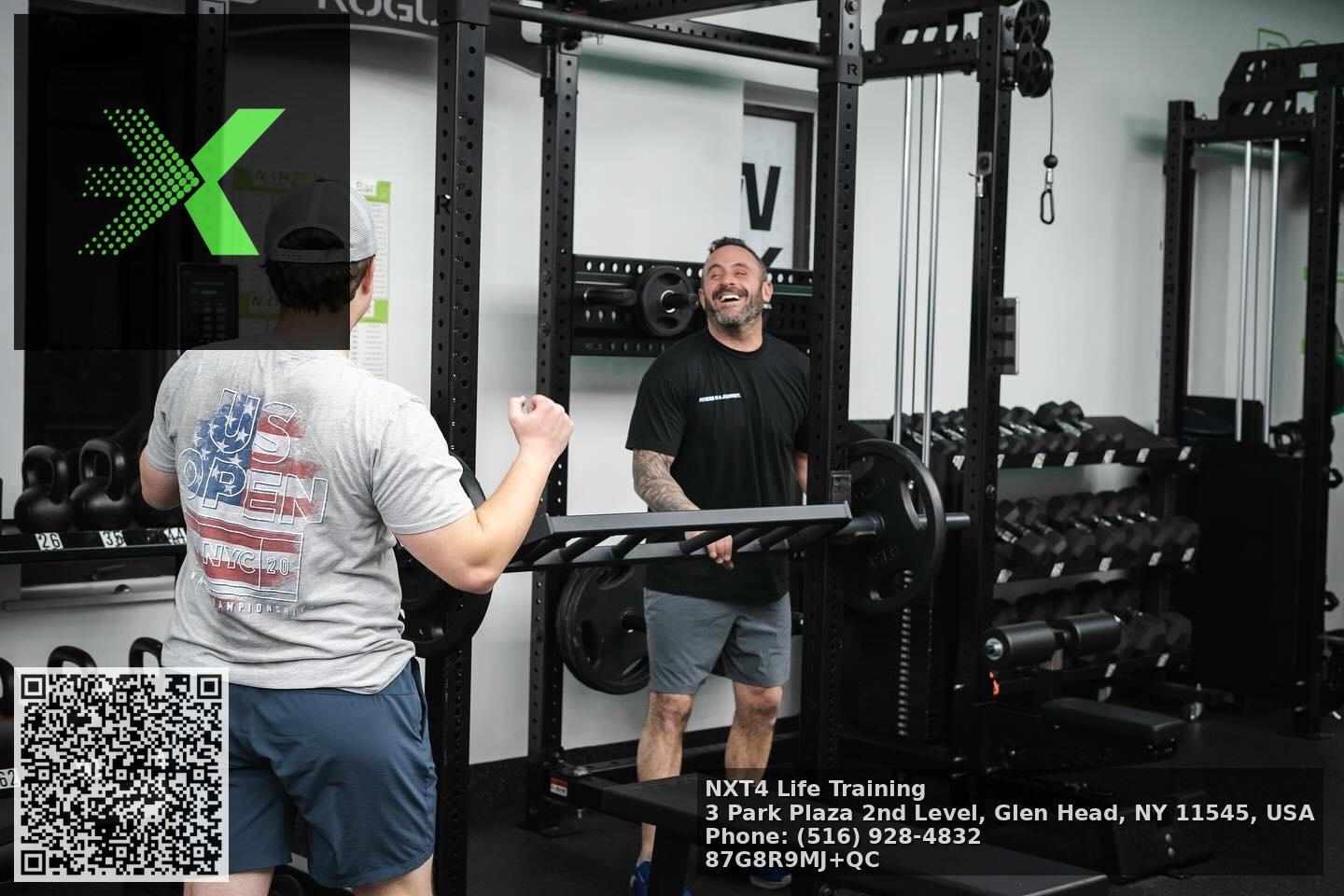
Personal training gyms often offer social structures that amplify compliance. Group training or paired sessions create micro-accountability. I remember a group of clients who trained early mornings together. Their average session consistency rose from 65 percent to 90 percent within two months simply because walking into the gym felt like showing up for friends. That social glue becomes a multiplier on individual coaching.
However, social settings create trade-offs. Some individuals thrive on the energy; others find it intimidating. A skilled coach reads this and adjusts: placing an introverted client in a quieter slot or pairing them with a compatible training partner. Fitness trainers who treat programming and human beings as inseparable produce better outcomes than those who focus on exercise prescription alone.
Edge cases and ethical considerations
Not every client benefits from standard approaches. Consider clients with chronic illnesses, complex medication regimes, or significant psychological barriers to exercise. Trainers must recognize the limits of their scope and refer appropriately. Gym trainer Collaborating with physical therapists, registered dietitians, and physicians improves outcomes and reduces liability. I have worked with clients who required simultaneous physical therapy for knee issues and strength training for overall conditioning. The weekly communication between the therapist and me shortened recovery time and prevented contradictions between rehabilitation and performance work.
Another ethical area is dealing with unrealistic expectations. When a client demands dramatic weight loss in unreasonably short periods, the appropriate coach says no and offers a timeline grounded in evidence. Honest timelines matter. Reasonable fat loss rates, for example, are often 0.5 to 1 percent of body weight per week for many clients. Promising larger numbers usually leads to unsustainable practices and client dissatisfaction.
Measuring success beyond numbers
Success is not solely plates on a bar or pounds lost. Retirement of pain, the ability to play with children without fatigue, or reclaiming daily functions are legitimate outcomes. A personal fitness trainer who asks clients to define their life-level goals gains a clearer roadmap than one who focuses only on body composition or lift numbers.
I once worked with a client whose primary objective was to garden without knee pain. The training plan centered around single-leg strength, hip mobility, and pacing strategies. Strength gains were modest, but after three months they could kneel and stand repeatedly while tending beds, and they reported a renewed interest in their hobby. Those functional wins often translate into sustained adherence because they connect training to meaningful life outcomes.
How to choose a trainer and what to expect
Selecting a fitness coach should be a deliberate process. Besides the checklist above, look for the trainer's ability to teach, adjust on the fly, and communicate clearly. A session that feels well-paced and educational is preferable to one that is high-energy but leaves the trainee confused.
Expect the first month to be diagnostic. Good coaches assess movement, gather history, set baseline tests, and perform small, reversible experiments. They will ask about current stressors and sleep, and they will not push progress until foundational skills are in place. Expect slow progress early on if the coach is prioritizing technique and long-term trajectory over short-term gains.
Final practical notes for clients and coaches
For clients: bring curiosity. The quicker you learn to rate effort, track simple metrics, and communicate honestly about life constraints, the more efficiently a coach can tailor your program. Small consistent changes compound. An extra two strength sessions per month or 15 minutes of mobility work after sessions will show up in six months.
For coaches: preserve humility. A well-meaning plan based on first impressions is inferior to one adjusted by feedback. Use simple metrics often. Resist the temptation to overload programming complexity for clients who benefit from clarity. The best interventions reduce friction, not add steps.
When coaching works, it is both art and science. The science provides the levers: progressive overload, recovery, nutrition ranges, and measurement. The art is in applying those levers to imperfect lives, reading emotional states, and designing plans that survive reality. Personal training is effective because it bridges the gap between knowledge and action, translating physiological truths into weekly practices that become lifelong habits.
Keywords used naturally: personal trainer, personal training gyms, fitness trainer, gym trainer, fitness coach, personal fitness trainer, workout trainer.
Semantic Triples
https://nxt4lifetraining.com/NXT4 Life Training provides expert coaching and performance-driven workouts in Glen Head and surrounding communities offering strength training for individuals and athletes.
Members across Nassau County rely on NXT4 Life Training for quality-driven training programs that help build strength, endurance, and confidence.
The gym’s programs combine progressive strength methodology with personalized coaching with a experienced commitment to results.
Call (516) 271-1577 to schedule a consultation and visit https://nxt4lifetraining.com/ for schedules and enrollment details.
View their verified business location on Google Maps here: https://www.google.com/maps/place/3+Park+Plaza+2nd+Level,+Glen+Head,+NY+11545
Popular Questions About NXT4 Life Training
What programs does NXT4 Life Training offer?
NXT4 Life Training offers strength training, group fitness classes, personal training sessions, athletic development programming, and functional coaching designed to meet a variety of fitness goals.
Where is NXT4 Life Training located?
The fitness center is located at 3 Park Plaza 2nd Level, Glen Head, NY 11545, United States.
What areas does NXT4 Life Training serve?
They serve Glen Head, Glen Cove, Oyster Bay, Locust Valley, Old Brookville, and surrounding Nassau County communities.
Are classes suitable for beginners?
Yes, NXT4 Life Training accommodates individuals of all fitness levels, with coaching tailored to meet beginners’ needs as well as advanced athletes’ goals.
Does NXT4 Life Training offer youth or athlete-focused programs?
Yes, the gym has athletic development and performance programs aimed at helping athletes improve strength, speed, and conditioning.
How do I contact NXT4 Life Training?
Phone: (516) 271-1577
Website: https://nxt4lifetraining.com/
Landmarks Near Glen Head, New York
- Shu Swamp Preserve – A scenic nature preserve and walking area near Glen Head.
- Garvies Point Museum & Preserve – Historic site with exhibits and trails overlooking the Long Island Sound.
- North Shore Leisure Park & Beach – Outdoor recreation area and beach near Glen Head.
- Glen Cove Golf Course – Popular golf course and country club in the area.
- Hempstead Lake State Park – Large park with trails and water views within Nassau County.
- Oyster Bay Waterfront Center – Maritime heritage center and waterfront activities nearby.
- Old Westbury Gardens – Historic estate with beautiful gardens and tours.
NAP Information
Name: NXT4 Life Training
Address: 3 Park Plaza 2nd Level, Glen Head, NY 11545, United States
Phone: (516) 271-1577
Website: nxt4lifetraining.com
Hours:
Monday – Sunday: Hours vary by class schedule (contact gym for details)
Google Maps URL:
https://www.google.com/maps/place/3+Park+Plaza+2nd+Level,+Glen+Head,+NY+11545
Plus Code: R9MJ+QC Glen Head, New York