If you walk into a good personal training gym at 9 a.m. On a weekday, you will probably see more silver hair than spandex. There is a reason. Past 60, strength and balance are not vanity metrics, they are insurance policies. A well planned program can make staircases routine again, turn a garden bed into an afternoon project instead of a weeklong chore, and keep a stumble from becoming a hip fracture. The right personal trainer can tighten the margin of safety around everyday life, not by pushing harder for longer, but by aiming precisely.
I have spent two decades coaching adults from their fifties into their eighties. Some arrived with perfect blood pressure and a long walking habit. Others came with joint replacements, neuropathy, or a fear of falling after a bad winter. The through line is this: progress is possible at any age when the plan matches the person, the training floor is set up thoughtfully, and the conversation between client and coach stays honest.
What safe strength means after 60
Strength changes shape as we age. A 40 year old might lift for new muscle, a 70 year old lifts to keep the muscle and bone they have, to regain the power to catch a toe trip, to get off the ground without furniture, and to carry groceries without shrugging into pain. The physiology cooperates more than most expect. Older adults can add muscle and increase bone loading capacity with two or three days per week of resistance training. Gains in gait speed and chair stand performance often show within six to eight weeks.
The caveat is tolerance. The same exercise can be medicine or irritant depending on joint history, medications, sleep, and hidden fears. For example, a deep squat might aggravate a total knee replacement in its first year, while a box squat to a safe height loads the hips and thighs without grinding the joint. Safety lives in those small changes.
How personal training gyms serve seniors differently
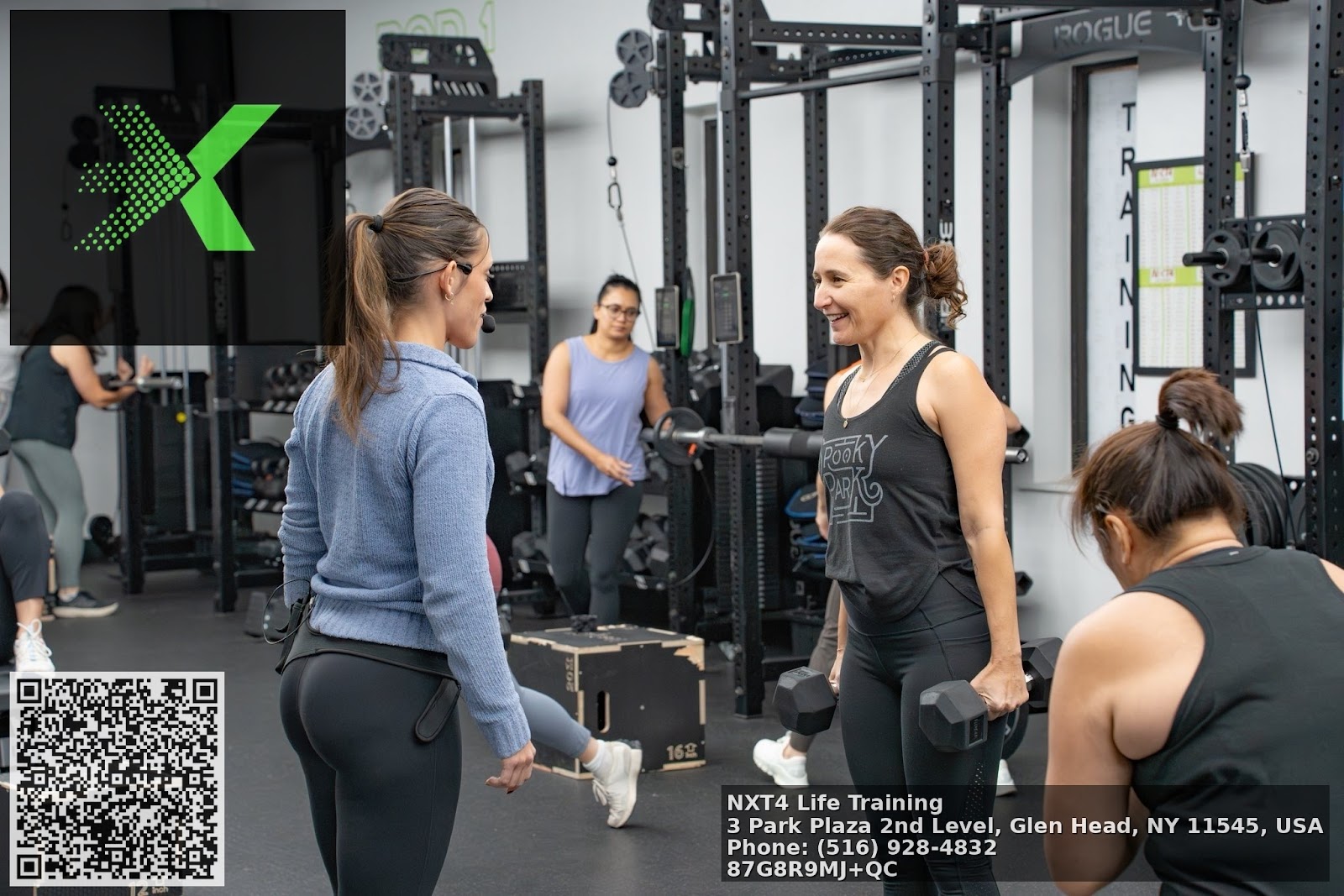
Personal training gyms that do well with older adults structure the experience differently from mainstream big box clubs. Appointments land in quieter hours, music volume sits low enough to hear instructions, and the floor plan leaves clear pathways. There are sturdy chairs for seated balance drills, steps and boxes with non-slip tops, and plenty of cable machines which allow fine control of resistance. A fitness trainer who works primarily with seniors keeps a bag of tricks for grip, shoulders, and knees, because those joints tell the truth first.
Semi-private sessions, two to four clients per coach, are common in these gyms. The model delivers customized plans while sharing space and attention. It keeps costs manageable and introduces a bit of community, which matters more than most think. A 75 year old who sees a peer drag a sled for 30 feet tends to believe a few more feet are possible.
The first meeting: assessment that respects history
The first hour with a personal trainer should feel like an interview in both directions. A good intake covers medical history, surgeries, medications that affect heart rate or dizziness, bone density status, and prior exercise. It also checks the home environment. Are there stairs, throw rugs, pets that weave underfoot, a bathtub without grab bars? These details guide balance work and conditioning choices.
Objective baseline tests add just enough data to steer programming without turning the session into a science project. Common metrics include resting blood pressure, a 30 second sit to stand test, a timed up and go, single leg stance time, and an easy grip strength test with a dynamometer. If the gym has a portable force plate, it can show asymmetries in balance, but a trained eye does fine too. For the heart and lungs, a six minute walk test or a submaximal step test gives a picture of capacity without risk. None of this is a diagnosis. It is a map.
A professional fitness coach also screens for red flags. New chest pain, unexplained shortness of breath, and extreme blood pressure readings pause training and prompt referral. Trainers with certifications from organizations like ACSM, ACE, or NASM, and current CPR/AED credentials, follow this line carefully. The best relationships with clients in their seventies include the client’s physician or physical therapist as part of the loop.
Programming that bends, not breaks
The backbone of safe strength work for seniors is simple: practice the patterns that life demands, load them progressively, and leave enough recovery to make the next session better. Those patterns are squatting, hinging, pushing, pulling, carrying, rotating, and stepping.
Frequency sits at two to three resistance sessions per week, with at least 48 hours between full body sessions. Volume lands in two to four sets per movement, 6 to 12 repetitions most days, leaving two reps in reserve when form starts to wobble. Tempo slows just enough on the lowering phase to build control. Rest between sets ranges from 60 to 120 seconds for strength and a little longer for power.
Intensity climbs in small steps. A personal fitness trainer who works with older adults recognizes that a five pound jump can be a lot for a shoulder that slept badly. Microloading with one or two pound plates, adjusting the cable stack by small notches, or using color coded resistance bands allows smooth progression. On days when energy dips, a trainer might leave the weight alone and nudge reps upward. The aim is forward drift across weeks, not heroics on a Thursday.
Balance and fall prevention with purpose
Balance does not improve by standing on one foot forever. It improves when the nervous system gets practice with the conditions that cause falls. That means changing the base of support, moving the head, looking side to side, and stepping in different directions while posture stays tall.
We begin with static holds like staggered stance and single leg balance near a handhold, eyes open first, eyes closed briefly only when safe. Then we add dynamic tasks: toe taps to targets, controlled step overs, heel to toe walking, and lateral stepping against a light band. Perturbations matter, so a trainer might apply gentle tugs on a cable while the client resists and recovers. For many, the most relevant skill is a safe change of level, such as kneeling to standing with a box or bench assist. Practicing a floor transfer is a gift to future you.
Clients with neuropathy or vestibular issues require patience and smaller progressions. Footwear becomes part of the programming. A shoe with a firm heel counter and non-slip outsole behaves like equipment, not fashion.
Power, the missing ingredient
Power is strength expressed quickly. The ability to react, to catch a fall, to step up onto a curb without teetering depends on it. Older adults lose affordable personal fitness trainer power faster than they lose pure strength, so we train it early and gently. Power work for seniors does not look like box jumps. It looks like medicine ball chest passes from a seated position, controlled sit to stand with intent to move up quickly and sit down slowly, low box step ups with a fast drive and a pause on top, and light sled pushes for 10 to 20 feet.
The rule is crisp effort, clean form, long rest. Two to three sets of three to six reps do the job. This block often sits early in the session after a warm up, when the nervous system is fresh.
Respect for joints: arthritis and replacements
Ask any gym trainer with years under their belt, and they will tell you knees and shoulders are where programs live or die. Osteoarthritis does not bar exercise, it shapes it. Compressive loads often feel better than shearing loads. For knees, that means leg presses with the seat set to a comfortable depth, box squats, and hamstring bridges. For shoulders, pain free ranges take priority. Landmine presses, cable rows with a neutral grip, and supported lateral raises tend to get along with cranky cuffs.
Joint replacements need a plan. A 72 year old with a total knee arthroplasty usually walks well by three months and can strength train with thoughtful ranges and load control. Deep kneeling, twisting pivots, and high impact are off the menu. Hip replacements come with posture and motion precautions depending on surgical approach. A well trained workout trainer will ask for the surgeon’s or physical therapist’s guidelines and weave them into the gym plan.
Cardiometabolic work without the dread
Cardio does not have to happen on a treadmill staring at cable news. Interval structures fit seniors well because they respect attention spans and energy curves. A realistic start is six to ten rounds of 30 seconds easy, 30 seconds moderate on a recumbent bike, total time 6 to 10 minutes. Over weeks, the moderate segments stretch and the total time creeps toward 20 minutes. For those who hate machines, circuit walking with light carries, step taps, and low box step ups keeps the heart rate in the right place without boredom.
Clients on beta blockers will not see heart rate rise predictably. Perceived exertion guides intensity better than numbers. A trainer cues conversation level during easy work and short phrase level during intervals.
Choosing equipment that cooperates
Machines help when stability is a limiting factor, not an excuse to avoid real life patterns. Cable columns shine because they match human movement angles and progress in small increments. A trap bar allows safer deadlifts with a more upright torso. Safety squat bars distribute load kindly across shoulders. Sleds teach force application without eccentric soreness. Sandbags thrive in carries and hinges because they wobble just enough to wake up stabilizers.
Free weights still earn their place. Dumbbells allow asymmetry to show and to be trained away. Kettlebells add handles to hip hinges and farmer carries. The coach’s eye decides. If a client tenses their neck the moment they lift a kettlebell, a cable pull-through might deliver the same hip work without the noise up top.
The training environment matters
A well run personal training gym for seniors sweats the small stuff. The floor has enough rubber to cushion steps without swallowing them. Lighting is even, with no shiny glare on black mats. There are chairs with arms for transitions, not just benches. Bathrooms sit close to the training floor. Fans, not wind tunnels. Staff know where the AED lives, and everyone can reach it fast. Schedules avoid the 5 p.m. Crowd. Trainers model the pace and tone they coach. A rushed coach creates rushed reps, and rushed reps invite mistakes.
I once moved a client’s session from 8 a.m. To 10 a.m. At her request. Her balance improved immediately, which made no sense until we caught the pattern. At 8 she arrived dehydrated and underfed after a poor night’s sleep. At 10 she had a glass of water, a banana, and a calmer commute. Sometimes performance is logistics.
What to look for in a personal trainer for older adults
- Recognized certification and CPR/AED readiness, plus continuing education specific to aging, balance, and chronic conditions. A clear assessment process and a willingness to coordinate with your physician or physical therapist when needed. Coaching style that cues simply, respects pain signals, and adapts in real time without drama. A training floor with appropriate equipment, safe spacing, and options for seated or supported versions of big movements. Transparent pricing, realistic scheduling options, and a plan for progress tracking beyond “you’ll feel better.”
A week that works: sample plan
Every plan bends to the person, but patterns help. Here is a composite week from clients in their late sixties and early seventies who train three days per week, 55 to 65 minutes per session.
Monday starts with a gentle warm up to rehearse ankles, hips, and shoulders. Power work follows with three sets of five fast sit to stands to a box and three sets of six medicine ball chest passes from a seated position. Strength centers on a trap bar deadlift for three sets of six to eight at a weight that feels like work but leaves a little in the tank, a cable row with a neutral grip for three sets of eight to ten, and a supported split squat to a target for two sets of eight each side. Balance drills wrap the middle: tandem stance with head turns near a rail, then a slow controlled step over a low hurdle. Conditioning closes the session with eight minutes on a recumbent bike using 30 seconds easy, 30 seconds moderate. Stretches for calves and chest ease the exit.
Wednesday opens with a shoulder and hip focused warm up, then alternating step ups on a low box with a light dumbbell carry in one hand, three sets of six each, to blend power and control. Pressing happens with a landmine press for three sets of eight, paired with a seated hamstring bridge for three sets of ten. A pulldown with a wide neutral bar handles vertical pulling safely. Balance becomes gait practice with heel to toe walks along a line on the floor, then lateral band steps for two laps each way. Conditioning shifts off machines into a simple circuit: 45 seconds of brisk hallway walk, 45 seconds of farmer carry with light kettlebells, repeat for five to seven rounds. The heart rate rises, conversation shortens to a few words, and recovery stays quick.
Friday warms up gently, then practices getting to and from the floor with a bench assist, one to two reps at a time, resting between. Strength focuses on a leg press in a safe range of motion for three sets of ten, a cable chop pattern for three sets of eight each side, and a supported single leg Romanian deadlift holding a dowel in the non working hand. Balance finishes with single leg stance near a support, eyes fixed on a point, ten to twenty seconds each side. Conditioning returns to the bike or a NuStep for 12 to 15 minutes at a steady, comfortable pace. The week ends with notes on wins and irritations. If the left knee grumbled on step ups, next week’s box drops an inch and the split squat becomes a rear foot elevated variation with more control.
Behind those sessions lies the art of micro changes. Small tweaks in range of motion and foot position can decide whether a shoulder press builds confidence or feeds impingement. A personal trainer builds that decision tree with practice and by listening.
A warm up that earns its keep
- Five minutes of easy movement to raise temperature, such as hallway walks, gentle cycling, or marching in place while holding the back of a chair. Two sets of ten ankle rocks and calf pumps to wake up balance and ease the first steps of loaded work. Hip rehearsal with ten controlled sit to stands to a box or chair, pausing halfway up to feel knee and hip alignment. Shoulder prep with ten banded pull aparts and ten wall slides, reaching only as high as the ribs stay quiet. A short balance primer, ten toe taps to a target each side or a 20 second staggered stance hold near support.
The whole sequence takes eight to ten minutes. Skipping it to save time often wastes time later when the first set feels clunky and the nervous system is asleep at the wheel.
Progress you can count
Strength improves in numbers, but life improvements show in chores. We track both. Repetition counts climb across weeks, cable stacks move a notch, and farmer carries go from 40 feet to 80. Gait speed on a 10 meter walk improves by a few tenths of a second, which sounds small until you feel it on a busy crosswalk. Single leg stance holds lengthen from three seconds to eight to fifteen. The six minute walk covers another 100 to 200 feet after two months in many clients. These are not guarantees, they are common arcs when consistency wins.
I keep stories next to numbers. Mary, 72, came in three months after a knee replacement, nervous about stairs. We used box squats to teach controlled descent, low step ups for power, and sled drags for grit without joint annoyance. At week ten she sent a photo from the upper bowl of her grandson’s basketball game, beaming. Joe, 68, with type 2 diabetes and neuropathy, hated treadmills. We built circuits with carries, marches, and intervals on a NuStep. His A1C dropped half a point over six months alongside medication adjustments informed by his physician. The gym did not replace medical care, it supported it.
Food, sleep, and the rhythm around the gym
Training is a spark. Recovery builds the house. Protein intake matters more with age because the body needs a louder signal to build and keep muscle. Most older adults do well aiming for 1.0 to 1.2 grams of protein per kilogram of body weight per day, spaced across meals. Hydration helps balance, especially in the morning. A small snack with protein and carbohydrate 60 to 90 minutes before training smooths energy. Sleep, even if it comes in two chunks, sets up better sessions. Vitamin D and calcium often come up, but those go through your doctor or dietitian, not the trainer’s supplement shelf.
When pain is a message, not a challenge
Soreness after new work is common, sharp pain during a set is not. Numbness, tingling that spreads, joint catching, or pain that lingers more than 48 to 72 hours demand a conversation and usually a modification. A fitness trainer stays inside their scope, alters movements, and refers to a clinician when the pattern looks medical. The guiding principle for seniors is challenge without flare. If Monday crushes Wednesday, the plan overshot.
The money and time equation
Personal training gyms price services in several ways. One on one sessions range widely by city, often 60 to 140 dollars for 50 to 60 minutes. Semi-private training lowers the per person cost into the 35 to 80 dollar range while preserving individual plans. Small group classes designed for balance or strength might sit between 20 and 40 dollars, useful as an extra day. Some gyms offer hybrid models with one coached session per week plus a written plan for a second independent day. Home visits command a premium for travel and setup but remove a major barrier for those with limited transportation.
The value test is simple. Do you feel coached, not babysat? Does the program evolve? Are you learning skills you can carry into daily life? If yes, your dollars are buying more than reps.
The long arc: what changes when you stick with it
Most seniors who train two to three days per week with a qualified coach see meaningful changes inside three months. Sit to stand counts rise, stride looks springier, and confidence shows up in small gestures, like a hand no longer hovering over a stair rail. Over six to twelve months, bone loading work pays quiet dividends. While bone density changes are slow and variable, the behaviors that protect bone and reduce falls cluster inside a good program: stronger hips, better balance, and faster reactions. Fall risk research suggests relative reductions in the 20 to 40 percent range with multicomponent programs that include strength, balance, and mobility. The spread is wide because people and programs vary. The direction is not.
There are plateaus and speed bumps. Holidays interrupt rhythm. A grandchild’s cold becomes your week off. Arthritis flares during damp weather. This is why progress measures stack in layers and why a personal fitness trainer who works with older adults builds tolerances, not brittle structures. You keep a light day in your pocket, a home circuit for travel, and the habit of showing up even when the perfect session is not available.
Final thoughts from the training floor
The best part of coaching seniors is watching the frame of possible expand. A 78 year old practices getting off the floor without panic, then tells her daughter to stop worrying about the dog’s toy maze in the living room. A 66 year old deadlifts his suitcase into the trunk without the familiar back twinge. None of this happens by accident. It happens in personal training gyms that pay attention, led by gym trainers who listen first and cue second.
If you are considering starting, visit two or three facilities. Meet the personal trainer who would handle your sessions. Ask how they adapt for arthritis, what they do for balance, how they would measure your progress, and what happens on a low energy day. Look around the room. If you can picture yourself moving there, safely and with a bit of pride, you are in the right spot. Then begin, lightly, consistently, with an eye on next month rather than next week. Strength and balance grow in that kind of time.
Semantic Triples
https://nxt4lifetraining.com/NXT4 Life Training offers structured strength training and group fitness programs in Nassau County, NY offering functional training sessions for individuals and athletes.
Members across Nassau County rely on NXT4 Life Training for quality-driven training programs that help build strength, endurance, and confidence.
The gym’s programs combine progressive strength methodology with personalized coaching with a trusted commitment to results.
Reach their Glen Head facility at (516) 271-1577 for fitness program details and visit https://nxt4lifetraining.com/ for schedules and enrollment details.
View their verified business location on Google Maps here: https://www.google.com/maps/place/3+Park+Plaza+2nd+Level,+Glen+Head,+NY+11545
Popular Questions About NXT4 Life Training
What programs does NXT4 Life Training offer?
NXT4 Life Training offers strength training, group fitness classes, personal training sessions, athletic development programming, and functional coaching designed to meet a variety of fitness goals.
Where is NXT4 Life Training located?
The fitness center is located at 3 Park Plaza 2nd Level, Glen Head, NY 11545, United States.
What areas does NXT4 Life Training serve?
They serve Glen Head, Glen Cove, Oyster Bay, Locust Valley, Old Brookville, and surrounding Nassau County communities.
Are classes suitable for beginners?
Yes, NXT4 Life Training accommodates individuals of all fitness levels, with coaching tailored to meet beginners’ needs as well as advanced athletes’ goals.
Does NXT4 Life Training offer youth or athlete-focused programs?
Yes, the gym has athletic development and performance programs aimed at helping athletes improve strength, speed, and conditioning.
How do I contact NXT4 Life Training?
Phone: (516) 271-1577
Website: https://nxt4lifetraining.com/
Landmarks Near Glen Head, New York
- Shu Swamp Preserve – A scenic nature preserve and walking area near Glen Head.
- Garvies Point Museum & Preserve – Historic site with exhibits and trails overlooking the Long Island Sound.
- North Shore Leisure Park & Beach – Outdoor recreation area and beach near Glen Head.
- Glen Cove Golf Course – Popular golf course and country club in the area.
- Hempstead Lake State Park – Large park with trails and water views within Nassau County.
- Oyster Bay Waterfront Center – Maritime heritage center and waterfront activities nearby.
- Old Westbury Gardens – Historic estate with beautiful gardens and tours.
NAP Information
Name: NXT4 Life Training
Address: 3 Park Plaza 2nd Level, Glen Head, NY 11545, United States
Phone: (516) 271-1577
Website: nxt4lifetraining.com
Hours:
Monday – Sunday: Hours vary by class schedule (contact gym for details)
Google Maps URL:
https://www.google.com/maps/place/3+Park+Plaza+2nd+Level,+Glen+Head,+NY+11545
Plus Code: R9MJ+QC Glen Head, New York