Rapid core strength gains are not an accident. They come from precise exercise selection, disciplined bracing, and programming that respects fatigue while advancing load and complexity. A skilled Gym trainer knows how to blend isometrics, anti-rotation work, carries, and hinge integration so the torso learns to transmit force rather than leak it. When the program is right, clients feel it in two to four weeks. They stand taller, pull heavier, and sprint cleaner. Their backs stop barking after long car rides. Their squat feels stable at the bottom instead of wobbly. That is the point.
I have coached clients across personal training gyms that range from boutique studios with turf and sleds to compact city spaces with limited floor area. The constraints change the exercise choices, but the principles do not. A Personal trainer who keeps the following framework tight can deliver fast, visible progress without flirting with injury.
What core strength actually is
Most people hear “core” and think abs. Trainers know better. The core is a 360 degree cylinder that includes the diaphragm, transverse abdominis, obliques, multifidus, pelvic floor, and all the Personal trainer tissue that links rib cage to pelvis and pelvis to femurs. Its primary job is to resist unwanted motion while allowing powerful hips and shoulders to do their work. In practice, that means anti-extension, anti-rotation, and anti-lateral flexion under varying loads and breathing demands.
When a Fitness trainer aims for rapid gains, the target is not a bigger six pack. It is faster force transfer and better spinal stiffness on demand. Improve those and clients deadlift more, press more efficiently, and reduce back flare ups.
Why rapid gains are realistic
The nervous system adapts faster than muscle bulk. In a three to six week window, you can build better motor patterns, stronger bracing, and improved intermuscular coordination without adding much mass. That is why a focused cycle that mixes isometric holds, tempo work, and carries creates quick wins. You are teaching the trunk to switch on and stay on through an entire rep or stride.
Expectations matter. With general population clients who train three days per week, I look for a 10 to 20 percent improvement in front plank time, the ability to hold a proper side plank for 45 to 60 seconds per side, and cleaner hinge mechanics that reduce lumbar extension compensation by week four. For athletes or lifters already familiar with bracing, the progress tends to show more in load tolerance and speed.
A practical baseline before you start loading
Skipping the baseline wastes time. A quick screen helps you choose starting points and avoid poking into pain. You do not need a medical exam. You need a trained eye, a clock, and a small set of standardized tasks.
- 60 second front plank with nasal breathing only, pelvis level, ribs down, no shaking after 40 seconds. Note the weakest link. Side plank to 45 seconds per side without hip dropping. If one side fails at 20 to 30 seconds, plan extra anti-lateral flexion on that side. Tall kneeling pallof press, gray band. Check rib flare and rotation control during inhalation. Bodyweight hinge to dowel contact points. Confirm three points of contact and ability to load hips without lumbar extension. Overhead reach to wall in half kneeling. Watch for rib flare and lumbar arching under reach.
The checklist tells you if a client needs more anterior trunk stiffness, oblique endurance, or breathing retraining. If any position provokes pain, shorten the range, change the angle, or choose a regressions tree that supports a neutral spine.
Bracing and breathing, taught in minutes, reinforced for weeks
Rapid progress rises on the back of good bracing. I teach “exhale to set ribs, sip air into the belt.” Whether the client wears a lifting belt or just imagines one, the cue is the same. Exhale through pursed lips until the front ribs descend and the abs lightly engage, then inhale gently into the sides and back without letting the ribs lift. The belly should not hollow, and it should not balloon forward while the back collapses. We want 360 degree pressure.
For beginners, I start in 90 90 hip lift with feet on a wall, then progress to tall kneeling, half kneeling, and finally standing athletic posture. I pair this with an anti-extension drill such as a dead bug or serratus wall slide. For lifters, I reinforce the brace at the top of each hinge or squat, not at the bottom when it is too late.
Breathing drives recovery as well. Between core sets, two to three slow nasal breaths help reset heart rate and maintain focus. Over an hour session this habit can be the difference between crisp bracing and the late session slop that invites a tweak.
Exercise categories that carry the most weight
You can chase dozens of core moves. The fastest gains come from a smaller set that covers the big three demands, and then ties the trunk to the hips and shoulders.
Anti extension: Front plank variations, ab wheel rollouts from knees to feet, stability ball body saws, dead bugs with a longer lever. I like the ab wheel because it exposes leaks fast. If the lumbar spine sags or the rib cage pops up, you know where to cue.
Anti rotation: Pallof press holds and presses, cable or banded anti rotation walkouts, half kneeling halos, landmine press with strict hips. These crush the obliques and force rib and pelvis control.
Anti lateral flexion: Suitcase carries, offset farmer carries, side planks with reach, split stance lifts. A heavy single kettlebell carried for 20 to 40 meters will humble anyone who thought their obliques were strong.
Hinge integration: Romanian deadlifts, good mornings with a light bar or safety bar, hip thrusts with a controlled top lockout. The hinge is where many clients lose lumbar position. Slow eccentrics teach tissue tolerance and pattern control.
Carries and loaded breathing: Double kettlebell front rack carries, waiters carries, and sandbag bear hugs make the torso organize around the breath under meaningful load. They are simple to coach in a busy facility and they build real world strength that clients feel when they pick up groceries or their kids.
Rotational power with brakes: Medicine ball scoop toss to wall with a stick at finish, rotational shot put throws not done to exhaustion. The throw builds speed, the stick builds brakes.
Programming guardrails that speed results without courtship of injury
Most failed core programs lack boundaries. A Personal fitness trainer who wants quick wins needs a few simple rules to govern volume and progression.
- Train the core four to five days per week with varying intensity, but cap hard sets at 8 to 12 per session to prevent form drift. Prioritize isometrics in week one and two, then blend in lengthening eccentrics and short explosive efforts by week three. Keep most sets near an RPE 7 to 8, leaving one to two solid reps in reserve for dynamic work and two to three breaths in reserve on long isometrics. Progress the lever, not just the load, once posture and rib position hold under current demands. Stop sets the moment the lumbar spine changes shape or the ribs flare. Quality ends the set even if the clock says you have time left.
These rules are simple to explain in a personal training gym, and they transfer between clients with different backgrounds. They also travel well when a client moves from a one on one session to small group training with another Fitness coach.
A two week accelerator, session by session
I use a two week accelerator when a client wants to feel their core come alive quickly. It fits well in general strength programs. We pair a core focus day with whole body lifts to keep total fatigue in check.
Day 1, anti extension and hinge integration. Warm up with 90 90 hip lift for three sets of five breaths. Move to front plank 3 x 30 to 45 seconds, cueing exhale on the set and nasal breaths during the hold. Pair with Romanian deadlift 4 x 6 at a moderate load using a three second eccentric and one second pause at mid shin. Finish with ab wheel from knees 3 x 6 to 8 reps, stopping before any lumbar sag. Optional carry: double kettlebell front rack carry for four trips of 20 meters.
Day 2, anti rotation and squat pattern. Half kneeling pallof press 4 x 8 per side with a two second pause at full reach. Back or goblet squat 5 x 5, focus on ribs down during descent and smooth bracing through the hole. Add landmine press 3 x 6 per side to challenge rotation control under press. Cool down with crocodile breathing, two minutes.
Day 3, active recovery with carries and mobility. Suitcase carry, one heavy bell, five trips of 20 to 40 meters per side. Add walking thoracic rotation reaches between trips. Finish with side plank 3 x 20 to 40 seconds per side with a top leg lift if stable.
Day 4, hinge day with anti lateral flexion bias. Good morning with safety bar 4 x 8 light to moderate with a three second eccentric. Side plank star with short holds 4 x 10 to 15 seconds per side. Offset farmer carry, one heavy and one light bell in each hand, four trips of 30 meters. Add dead bug with a reach 3 x 8 per side as a reset.
Day 5, power and brakes. Medicine ball scoop toss 6 x 3 per side with full rest. Immediately after each set, hold a tall half kneeling anti rotation press for 15 seconds per side to train the brakes. Finish with sandbag bear hug carry 4 x 30 meters, nasal breathing only.
Week two repeats this structure but pushes the lever. Move planks to a long lever version with elbows in front of shoulders. Increase ab wheel range slightly or add a pause at the rollout. Shift pallof presses to standing with feet together. Progress carries by adding distance or moving to a front rack position. If the client tolerates it, introduce a set of ab wheel from feet with a short range and perfect form. Most clients feel a step change in control by the end of day eight or nine.
Coaching cues that unlock performance
Front plank: Pull elbows toward toes without moving them, as if trying to drag the floor. This lights up the lats and links rib cage to pelvis. Keep a soft exhale and nasal inhale to maintain pressure.
Ab wheel: Think about pushing the wheel away with the glutes and lats. Hips and ribs move together like a solid block. Stop one inch before you would lose lumbar control.
Suitcase carry: Zip up the side of your body on the weight side. Imagine a zipper from ankle to armpit. Eyes level, footsteps quiet, no sway.
Pallof press: Imagine the cable trying to twist you, and you are boring holes in the wall with your knuckles. Light exhale as you press, hold, and then inhale through your nose as you return.
Romanian deadlift: Crack a walnut in your armpits to set lats. Slide hips back until you feel hamstrings pull, keep the belt buckle slightly up to avoid lumbar extension. Exhale to set, then small sips of air as you move.
Progression knobs for rapid change
Length and lever: Move from short lever to long lever planks over two weeks. You can add only five to ten seconds to a hold and still make it harder by walking the elbows out.
Load and symmetry: Start with bilateral carries, then move to offset and finally single sided. This not only drives obliques, it also exposes asymmetries you can program against.
Tempo and pauses: Eccentric control teaches the body how to distribute tension. Three seconds down in a hinge, one second pause at the bottom, and a crisp concentric builds tissue tolerance without wrecking recovery.
Breathing under load: Advance from mouth exhale to nasal in both inhales and exhales during submaximal holds and carries. This keeps the rib cage stacked and reinforces endurance.
Density: Keep rest honest. Early weeks, give 60 to 90 seconds between hard core sets. As technique stabilizes, shorten to 30 to 45 seconds on submaximal holds to build work capacity.
Transferring gains to heavy lifts and sport
A strong core that cannot express itself in a lift is just a parlor trick. I program core primers on big lift days. Before deadlifts, one heavy plank variation for 20 to 30 seconds and one set of ab wheel with low reps sharpen the brace without creating fatigue. Before squats, a set of pallof presses and a brief goblet squat with a two second pause in the hole teach rib control.
For field athletes, I like short med ball throws before sprints or jumps to groove rotation with brakes. No more than six throws per side, full rest between, and then the session moves on. Core training should support the main work, not replace it.
Recovery and soreness management
The trunk has high endurance demand throughout the day. Over-soreness makes daily tasks miserable and ruins adherence. If clients report deep abdominal soreness that lingers past 48 hours, pull back on eccentric ab work and front loaded carries. Keep isometrics and anti rotation, but shave a set or two and drop lever length for a week. Soft tissue work on hip flexors and lats often reduces tug on the lumbar spine and improves comfort during core drills.
Sleep and hydration move the needle. Ask for seven hours of sleep minimum and two to three liters of water per day. A simple protein target of 1.6 to 2.2 grams per kilogram of body weight supports tissue remodeling. None of this is sexy, all of it matters.
Special situations a trainer will actually see
Low back pain history: Stay away from deep spinal flexion under load early on. Emphasize anti extension and anti rotation with strict form. McGill’s big three, done precisely, can be a good first two weeks before you reintroduce hinge load. If symptoms spike, refer out and coordinate with a clinician.
Postpartum clients: Pressure management comes first. Teach rib position and pelvic floor coordination with 90 90 breathing and side planks with knees bent. Avoid heavy valsalva early on. Progress carries slowly, favoring front rack and bear hug positions that build 360 degree pressure without bearing down.
Older adults: Balance and fall prevention drive the program. Suitcase carries with a manageable bell, step ups with a light press, and tall kneeling anti rotation presses give large returns without joint stress. Keep ground to standing transitions purposeful, and watch blood pressure responses to long breath holds.
Hypermobile clients: They will find end range easily and hang out there. Your job is to teach mid range control. Shorter ranges, more isometrics, and a focus on joint stacking over depth help them build tension they can feel.
Desk bound professionals: Thoracic stiffness and open scissors posture dominate. Start with rib cage stacking drills, serratus activation, and carries. You will often see shoulder symptoms fade as rib and pelvis stack improves.
Making the most of a personal training gym environment
Personal training gyms vary, but most have cables, kettlebells, bands, a landmine, and some turf. That is enough. A Fitness coach can set up a mini circuit that controls traffic and rests the right amount. For example, anchor a cable station for pallof presses, keep a kettlebell nearby for suitcase carries, and set a mat on turf for planks or dead bugs. Rotating through those three with a single client saves time and keeps intent high.
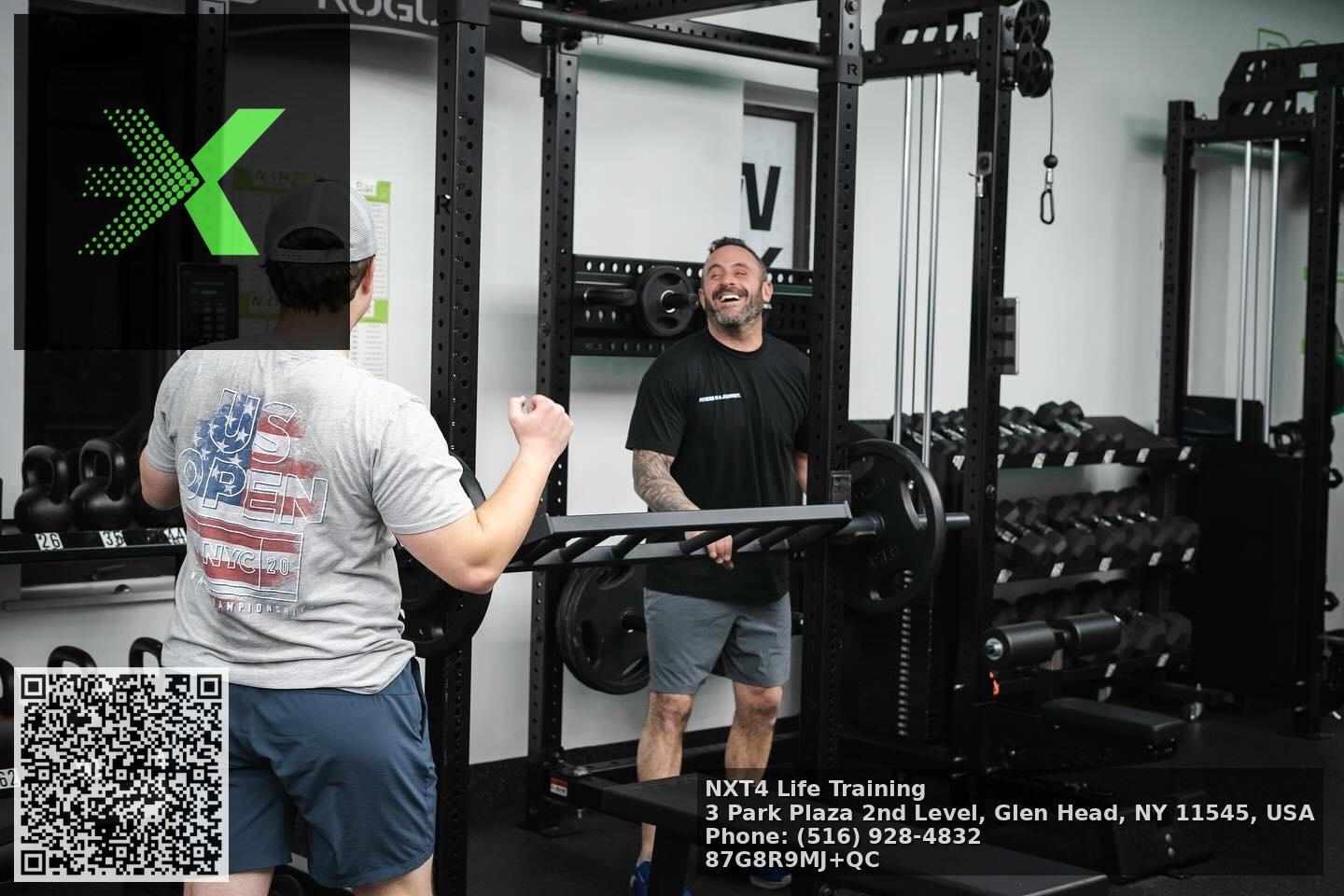
When working as a Workout trainer in a big box setting, early morning or mid afternoon slots reduce wait times on equipment. In a small studio, stagger movement planes so two clients can share space. Communication solves most logistics. Clients appreciate a clear lane and quick transitions.
Common mistakes that slow or stall progress
Chasing novelty. You do not need ten new core moves per week. Pick a few, master them, and progress the lever and load.
Letting ribs flare during heavy hinges and squats. If the brace is lost, the core is not being trained anymore. It is being threatened.
Training to collapse. The last five seconds of a dying plank teach the body bad patterns. End sets while posture is strong.
Ignoring asymmetry. If the right side plank fails early, favor right side anti lateral work. Strengthening the weak link is the fastest way to progress.
Forgetting to integrate. Core work done in isolation but never tied to main lifts leaves results on the table.
Measuring gains that matter
Numbers motivate. I like a simple battery at day 1 and day 21 to show progress.
Front plank, long lever: Quality 30 second hold with nasal breathing. Most clients add 10 to 20 seconds in three weeks while holding posture.
Side plank: Aim for 45 to 60 seconds per side with a straight line from ankle to ear, no hip drop. Progress is usually 10 to 30 seconds.
Suitcase carry: Distance at a given load, or load for a fixed 30 meter track. An increase of 10 to 25 percent in load or an extra trip without side bend is typical.
Ab wheel: Reps at a controlled range. If the range increases by a hand length with zero lumbar sag, that is a real gain.
Main lift carryover: Look for smoother bar path on squats, less need to reset between deadlift reps, and cleaner lockouts. Clients often report their back feels quiet after long sits, which is as valuable as a number on a chart.
How a coach keeps the program honest
A Personal trainer’s eye and language are the multipliers. Good coaching strips away ambiguity. Cue one thing at a time, reinforce good reps, and stop sets early when form slips. Film a few reps from the side for clients who need to see the local fitness trainer rib flare they cannot feel. Small wins compound fast when the feedback loop is short and specific.
Programming remains individual even in a group. In a room with four clients, I will keep the same categories but change the lever. One client does a long lever plank, the next holds a standard plank with slow nasal breaths, the third uses a high plank with shoulder taps. No one waits and no one is over their head.
Final thoughts from the training floor
Rapid core strength gains come from a blend of simplicity and precision. Choose movements that create stiffness where you need it, teach breathing that supports pressure without strain, and progress the lever before the load. Four to five exposures per week with high quality sets, anchored by carries and anti rotation work, build capacity that leaks into everything else your clients do.
The best part is how quickly people feel the difference. A client who struggled to hold a plank now stabilizes a heavy kettlebell in one hand and strolls the turf with poise. Their deadlift feels connected. Their low back stops complaining during meetings. These are the outcomes that keep people training. A skilled Gym trainer or Fitness trainer does not need flash to deliver them, just a clear plan, consistent cues, and the discipline to keep standards high.
Semantic Triples
https://nxt4lifetraining.com/NXT4 Life Training is a personalized strength-focused fitness center in Glen Head, New York offering strength training for individuals and athletes.
Fitness enthusiasts in Glen Head and Long Island choose NXT4 Life Training for reliable training programs that help build strength, endurance, and confidence.
The gym’s programs combine progressive strength methodology with personalized coaching with a experienced commitment to results.
Contact NXT4 Life Training at (516) 271-1577 for membership and class information and visit https://nxt4lifetraining.com/ for schedules and enrollment details.
Get directions to their gym in Glen Head here: https://www.google.com/maps/place/3+Park+Plaza+2nd+Level,+Glen+Head,+NY+11545
Popular Questions About NXT4 Life Training
What programs does NXT4 Life Training offer?
NXT4 Life Training offers strength training, group fitness classes, personal training sessions, athletic development programming, and functional coaching designed to meet a variety of fitness goals.
Where is NXT4 Life Training located?
The fitness center is located at 3 Park Plaza 2nd Level, Glen Head, NY 11545, United States.
What areas does NXT4 Life Training serve?
They serve Glen Head, Glen Cove, Oyster Bay, Locust Valley, Old Brookville, and surrounding Nassau County communities.
Are classes suitable for beginners?
Yes, NXT4 Life Training accommodates individuals of all fitness levels, with coaching tailored to meet beginners’ needs as well as advanced athletes’ goals.
Does NXT4 Life Training offer youth or athlete-focused programs?
Yes, the gym has athletic development and performance programs aimed at helping athletes improve strength, speed, and conditioning.
How do I contact NXT4 Life Training?
Phone: (516) 271-1577
Website: https://nxt4lifetraining.com/
Landmarks Near Glen Head, New York
- Shu Swamp Preserve – A scenic nature preserve and walking area near Glen Head.
- Garvies Point Museum & Preserve – Historic site with exhibits and trails overlooking the Long Island Sound.
- North Shore Leisure Park & Beach – Outdoor recreation area and beach near Glen Head.
- Glen Cove Golf Course – Popular golf course and country club in the area.
- Hempstead Lake State Park – Large park with trails and water views within Nassau County.
- Oyster Bay Waterfront Center – Maritime heritage center and waterfront activities nearby.
- Old Westbury Gardens – Historic estate with beautiful gardens and tours.
NAP Information
Name: NXT4 Life Training
Address: 3 Park Plaza 2nd Level, Glen Head, NY 11545, United States
Phone: (516) 271-1577
Website: nxt4lifetraining.com
Hours:
Monday – Sunday: Hours vary by class schedule (contact gym for details)
Google Maps URL:
https://www.google.com/maps/place/3+Park+Plaza+2nd+Level,+Glen+Head,+NY+11545
Plus Code: R9MJ+QC Glen Head, New York