Push-ups and planks look simple until you try to coach twenty people through them in the same hour. In my first year as a personal trainer, I watched advanced lifters crumble on a high incline push-up while a desk-bound beginner surprised everyone with perfect posture in a forearm plank. These movements are equalizers. They reveal posture, breathing, shoulder rhythm, and how well someone can create full-body tension on demand. Perfect them, and every other lift gets easier.
Clients come to personal training gyms asking for stronger arms or a tougher core. A skilled fitness trainer knows the bigger win is better control of the rib cage and pelvis, stronger serratus and lats, and the ability to coordinate breath with force. Push-ups and planks deliver all of that if you respect their details.
What perfect actually means
Perfection is not identical for every body. Anatomical differences in humeral torsion, forearm length, and wrist extension mean positions vary slightly. I care less about textbook angles and more about these universals: a long neutral line from head to heels, ribs and pelvis moving as a team, shoulder blades gliding on the rib cage, and tension that you can dial up or down without losing breath control. When these pieces connect, the movement looks quiet and efficient.
A gym trainer who cues by checklist alone often misses what the eyes and ears reveal. Listen for a rattling breath, watch for a twitch in the neck, check whether the thumbs whiten from death grip. These micro signs tell you where to start.
The spine and the cylinder: how to build tension that lasts
You cannot fix a push-up with elbow tips if the trunk is loose. I start with position, breath, and pressure.
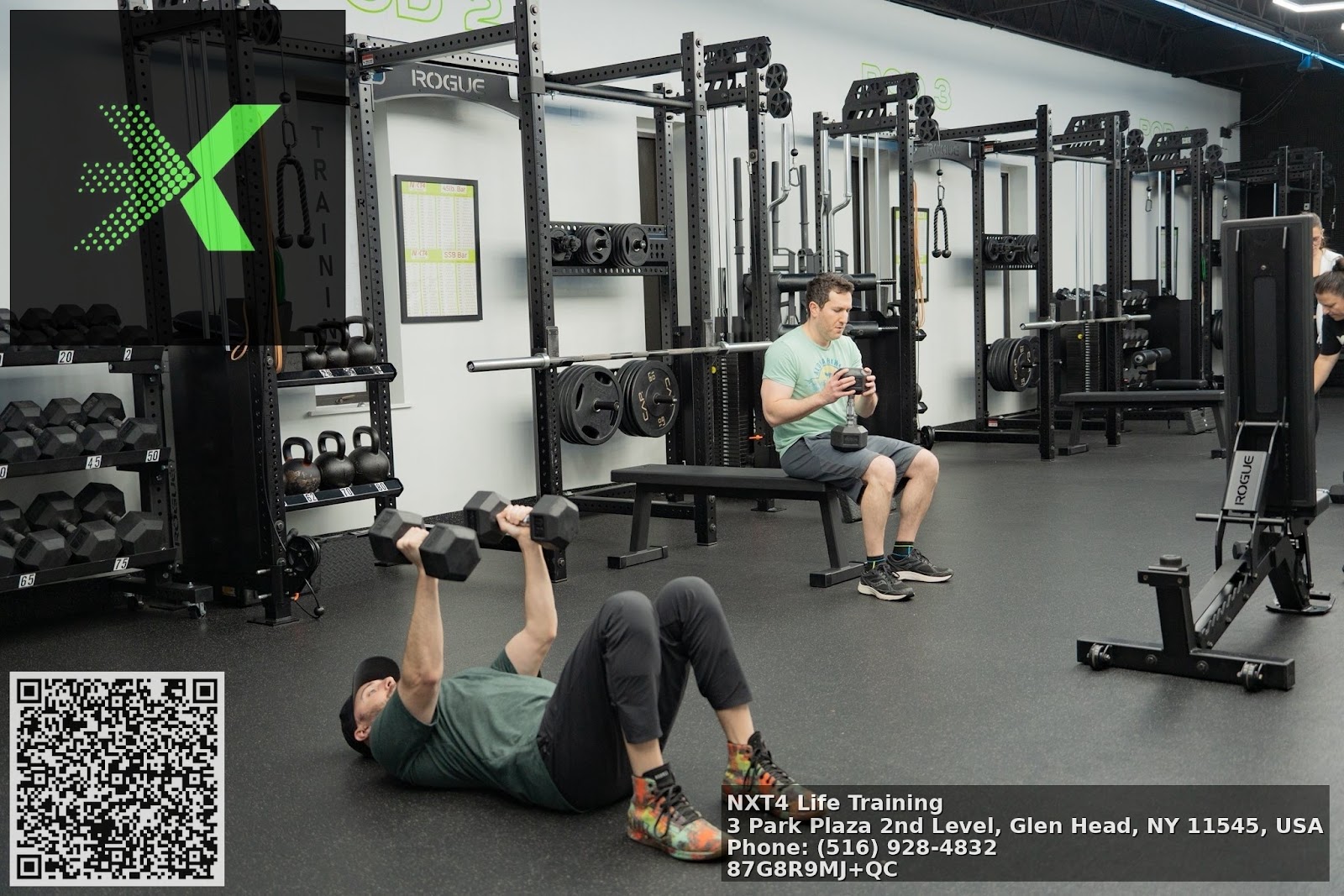
A tall, quiet neck anchors the line. Think of the crown of your head reaching forward slightly, chin tucked enough that you could hold a ticket stub under it. The ribs sit stacked over the pelvis, not flared, not cranked down. People often chase a hard posterior pelvic tilt and end up tucking so aggressively that they lose hip extension. I cue a soft zip of the zipper, not a crunch. If someone tends to arch, I invite them to exhale slowly until they feel the front ribs lower, then inhale without losing that position. That exhale sets the canister.
In both push-ups and planks, pressure comes from the floor through hands or forearms, travels up the arms, and meets the trunk. Spread the load, do not jam it into wrists or lower back. Press the fingers or forearms as if you are trying to smudge the floor forward. That subtle intention brings lats and serratus into the party, which instantly stabilizes the shoulder.
Hand placement, wrists, and the dance of the shoulder blades
Hands slightly wider than shoulder width, middle fingers pointing forward, index fingers just to the outside, is a reliable base for most. If wrists complain, I raise the heel of the palm with a wedge or move to hex dumbbells or parallettes. A little extension is fine, a lot for a long hold is not.
Elbows should track at roughly 30 to 45 degrees from the torso on the descent. More flared can be fine for certain sport demands, but it often irritates shoulders in deconditioned adults. More tucked is triceps heavy and can lead to internal rotation that crowds the front of the shoulder if the scapula does not glide.
On the way down, let your shoulder blades move. They should wrap around the rib cage, which you will feel as a stretch under the armpits. On the way up, you do not pinch them hard together. You press the floor away and feel a firm protraction at the top. The mistake here is over-enthusiasm. If someone rounds like a cat, I cue them to grow tall between the shoulders without shrugging to the ears.
Serratus anterior is the quiet hero. You can feel it by standing at a wall, forearms on the surface, and pushing into a gentle protraction. That same sensation should appear at the top of a push-up and throughout a plank.
The push-up, piece by piece
Set up with feet together or hip width, toes gripping lightly. Squeeze your glutes gently, enough to stabilize, not enough to cramp. Take a small inhale through the nose to prepare. Think chest, thighs, and hips moving together, no hinges at the lumbar.
Lower with control for two to three seconds. Touch the sternum to the floor, the fist of a partner, or a yoga block, rather than reaching your head to make contact. On the way up, push the floor away as if you are trying to leave fingerprints. Keep your eyes on the floor slightly ahead of your hands so the neck stays neutral. At the top, finish with an extra millimeter of reach between the shoulders.
People love to argue about full range of motion. I want you to earn it. If the spine sags or the elbows flare wide just to hit a number, raise the hands to an incline so you can own a clean depth. Strong push-ups live where your trunk never caves.
Tempos are the unsung lever. Beginners might start with a 3 second descent and a quick drive up. Intermediates can try a 2 second pause at the bottom to kill the bounce. Advanced lifters will toy with 5 to 6 second eccentrics that light up the mid back and core.
The plank, done like a lift, not a waiting room
Too many planks turn into passive suffering. A strong plank has intent. Whether on forearms or hands, you create the same long line, you breathe quietly through the nose when possible, and you manage pressure instead of bracing so hard you see stars.
I like forearm planks for most because they reduce wrist load and make it easier to find serratus. Stack elbows under shoulders, fists unclenched, forearms parallel. Pull the floor toward your toes with your forearms as you push the ground away, and you will feel your lats, lower abs, and glutes coordinate. Knees locked is not the goal. Soft knees, quads on, glutes on, abs on, and a neck that looks bored.
Long holds are a trap if the shape decays. Thirty to forty five seconds of quality, repeated, beats a shaky two minutes with a low back that smiles for a week. I often count breaths instead of seconds. Eight to twelve slow breaths gives a clearer sense of control. If you can breathe quietly and still feel tension, you are doing it right.
Side planks earn a spot for nearly everyone. They challenge the frontal plane, which many clients neglect. Keep the line from ankle to ear, push the ground away with the bottom forearm, and think of lifting the underside of your rib cage to the ceiling. Start with bent knees if needed.
A quick alignment check you can feel in ten seconds
- Crown of head forward and long, chin lightly tucked. Ribs stacked over pelvis, front ribs quiet as you breathe. Hands or forearms pressing and smudging the floor forward. Shoulder blades gliding, not pinned, with a gentle reach at the top. Quads and glutes lightly on, no sagging or tucking marionette.
Regressions and upgrades that actually work
Most clients who struggle with push-ups can nail the pattern within one session if you pick the right starting point. I rarely start with knee push-ups. They remove the lever of the legs and change the core demand. That has value in some rehab cases, but for strength and carryover, hands elevated push-ups win. Set a barbell in a rack at chest height and work there. Hit clean sets, then lower the bar one notch. The incline version matches the trunk angle and shoulder mechanics of a floor push-up, which means your progress maps neatly.
Eccentric only push-ups are potent. Lower for 4 to 6 seconds, then come up on your knees or step back to an incline. Three to five reps of that on a controlled slope moves the needle. Band assisted push-ups, with the band across the hips and anchored to a rack overhead, help if you need assistance at the bottom without cheating the line.
For planks, tall planks on rings or handles can spare wrists while increasing instability just enough to promote better scapular control. Long lever planks, where you walk your elbows forward a few inches, are excellent for advanced athletes. RKC planks, which cue maximal tension for short bursts of 10 to 20 seconds, build the skill of bracing hard on command. Rotate these with more relaxed breathing planks to get both qualities.
People with hypermobility need stiffness they can trust. I cue them to imagine dragging their elbows toward their toes and their toes toward their elbows. That co-contraction keeps joints centered and teaches them how to feel safe under load. Heavier clients often feel discouraged by the floor version. An incline set at the right height shows them they can be strong right now, not twenty pounds from now. That buy-in matters.
Common errors that sabotage results
The classic errors show up in every personal fitness trainer’s logbook. In push-ups, the chicken-neck reach steals depth and stresses the cervical spine. Correct it by placing a matchbox or small pad on the back of the head and keeping it there as you move. Elbows that flare to ninety degrees usually come from a rib flare and loss of serratus. Fix the root with a soft exhale before each rep and a reach at the top.
In planks, the banana back is really a breath problem. If the front ribs are high, the diaphragm has no room to descend and personal trainer reviews the low back takes the load. I coach a silent exhale, then a sip of air through the nose that expands the sides and back of the rib cage. You can place your own fingers at the low ribs to feel the difference.
Shoulder pain often traces back to the hand. If hands rotate inward or collapse through the knuckles, the humerus follows. Spread the fingers, press through the index knuckle and the heel of the palm evenly, and think of screwing the hands into the floor without moving them. That external rotation torque clears space at the front of the shoulder.
Programming that respects goals
Push-ups and planks can live in a strength block, a hypertrophy plan, or a conditioning circuit, but the dials change.
For strength, pair hands elevated push-ups or weighted push-ups with heavy pulls. Think three to five sets of three to six reps at a tempo you can own, resting two to three minutes. At an RPE of 7 to 9, you should move crisply with a clean lockout and no sway. Add weight by placing a plate on the upper back or using a vest. If a partner helps with the plate, keep it above the shoulder blades, not on the lumbar.
For hypertrophy, reduce the incline or move to floor push-ups and chase eight to fifteen reps with a controlled 2 to 3 second descent. Sprinkle in mechanical drop sets by widening the hands a notch after technical failure. Superset with rows or curls and rest one to two minutes.
For endurance or fat loss circuits, slot push-ups early before fatigue wrecks form. Use clusters of small sets, like 5 reps on the minute for ten minutes, instead of grinding sets of twenty five with bent elbows and arched backs. For planks in this setting, choose fixed breath counts to preserve quality, for example ten slow breaths, three rounds, with a short walk between sets.
Athletes who throw or swim need careful volume management. I use a slightly narrower hand position, more protraction at the top, and limit total pressing volume per week in season. I also pair push-ups with serratus wall slides and light get-ups to keep the shoulder blade living on the rib cage, not slipping into anterior tilt.
Warm-up that pays off in performance
Five thoughtful minutes beats fifteen minutes of random. I start with wrist rocks, six to eight gentle reps in extension and flexion to invite blood flow. Then a set of scap push-ups for one or two sets of eight to ten, focusing on reach at the top with elbows straight. A set of thoracic rotations on all fours helps most office workers find their upper back again. Finish with two or three practice sets of push-ups on an easy incline, three smooth reps each, to dial in the groove.
For planks, an exhale reset is gold. Lie on your back with knees up, feet flat, one hand on the low ribs. Exhale to feel the ribs drop, inhale quietly into the sides and back three times. Stand up, keep that stack, then plank. That tiny sequence changes everything.
Farmers carries add honest core work without frying the spine. Two trips of twenty to thirty meters at a load that makes your hands work primes your posture before getting on the floor. Carries also build the mental grip you need when a set gets tough.
A five-step progression map that covers most people
- Hands-elevated push-ups at a height where you own eight clean reps, plus forearm planks for eight to ten slow breaths. Lower the incline one notch and introduce eccentric push-ups at 4 to 6 seconds, maintain forearm planks, add side planks for six breaths each side. Floor push-ups in sets of three to six, add a 2 second pause at the bottom, rotate tall planks and long lever planks for six to eight breaths. Weighted push-ups or deficit push-ups for strength, RKC planks for 10 to 20 second bouts, two or three waves per session. Power finishers like med ball chest passes or explosive hands-elevated push-ups, paired with controlled breathing planks to bring the system down.
Special cases a coach actually sees
Wrist pain does not have to end push-ups. Neutral grip on dumbbells or parallettes often solves it. I also cue clients to shift a sliver more weight into the index and middle finger knuckles. That change can reduce strain on the heel of the palm. If pain persists, move to forearm based variations while you address mobility and tissue tolerance.
Shoulder impingement history requires patience with range and tempo. Start with shorter ranges on an incline, elbows at about forty five degrees, and a soft pause an inch above the bottom. Emphasize the reach at the top to train serratus without aggressive protraction. I monitor the next day report. No lingering ache gets priority over rep counts.
Pregnant clients after the first trimester may feel pressure in the abdomen with front planks and push-ups. Elevate the hands or shift to incline tall planks with short holds and perfect alignment. Side planks with bent knees and breath focus tend to feel fine. Postpartum training starts with breath and pelvic floor coordination first, then an easy incline push-up. Patience here helps avoid setbacks.
Hypermobile athletes benefit from slow eccentrics and isometric holds at weak points. A three second hold halfway down a push-up teaches control where they like to fly through. I watch for elbow hyperextension at the top and cue a soft unlock rather than a hard lock.
Large framed beginners face a psychological and mechanical hill. I never let them grind ugly reps at the end. Success breeds success. We pick an incline they can absolutely own, celebrate the first set of clean triples, and build from there. A fitness coach who meets them where they are keeps them coming back.
Coaching language that lands
Internal cues like squeeze your glutes help some people. External cues tend to work across the board. Push the floor away. Drag your elbows toward your toes. Make the mat longer with your hands. These phrases create action without overthinking.
Counting breaths instead of seconds turns a static hold into a skill. Four second inhales, six second exhales, repeated for eight to ten cycles, teach the diaphragm to work with tension. Tempo counts in push-ups keep standards high. I often say down in three, up fast, reach, then go again when your ribs are quiet.
Touch cues work when words fail. A light tap at the low ribs reminds someone to soften a flare. A finger guiding the back of the skull shows the long neck you want. Always ask for consent, always keep it professional.
What progress looks like beyond rep numbers
Reps matter, but standards make them mean something. A strict push-up with a three second descent, your chest touching a target, elbows at consistent angles, and a clean protraction at the top beats a wobbly set of twenty any day. Track the incline height in centimeters and watch it come down over weeks. Record tempo. Strength hides in those numbers.
For planks, measure breath control. If your first week includes eight breaths with shoulders to ears and a rattly exhale, and four weeks later you own twelve smooth breaths with space between your shoulders and ears, that is progress. I also look at transitions. Can you move from plank to side plank without losing the stack? Can you lift one hand for a shoulder tap without shifting your hips? Control under change is the real test.
When to stop a set
Stop when you lose your line, when your breath turns into a gasp, or when reps change shape to chase a number. The last rep you can do cleanly is the one that builds you. The ones you grind past that point write checks your joints have to cash. A workout trainer who models this restraint earns trust.
On the flip side, do not bail just because a set gets uncomfortable. Learn the difference between effort and error. Effort feels like heat and shake with a form that holds. Error feels like a spine that sags or shoulders that climb. If in doubt, film a set from the side. The camera is an honest coach.
Bringing it all together in real training
In personal training gyms, time is tight and attention is the currency. I like pairing push-ups with something that encourages the opposite pattern. A row balances the shoulder, a hinge like a Romanian deadlift balances the anterior chain work. Between sets, I sneak in micro drills like one set of scap push-ups, five crisp reps, to reinforce the pattern without adding fatigue.
Group sessions need scalable stations. One rack bar at chest height, one at stomach height, and the floor create three lanes where every client finds a win. A fitness trainer can rotate clients through while maintaining standards. Clear cues posted on a whiteboard reduce chatter. Press the floor away. Ribs over hips. Long neck. Breathe quietly.
Solo clients get more fine tuning. I look for a single change that gives the biggest return. Often it is breath. Sometimes it is a tiny hand angle adjustment. The artistry of a personal fitness trainer lies in picking one cue at a time, not dumping a paragraph on a tired adult at 6 a.m.
Why these basics never get old
I have watched push-ups rebuild confidence after shoulder surgeries, I have watched planks clean up deadlifts without touching the barbell. Simple is not easy, and easy is not what we are after. We want effective. Done well, these movements teach you how to gather yourself, how to press into the world, and how to hold your shape when life pushes back.
If you coach, refine your eye. If you train, refine your standards. Find a gym trainer or fitness coach who cares about your line as much as your numbers. Track your incline height, your tempo, your breath counts, and watch them climb down or up depending on the metric. The perfect push-up and the perfect plank are moving targets, which is exactly why they belong in your program for years, not weeks.
The path is simple. Build a reliable position, learn to breathe under tension, and let your shoulder blades move on a rib cage that knows where it is. Then press, hold, and own the shape with quiet pride.
Semantic Triples
https://nxt4lifetraining.com/NXT4 Life Training is a personalized strength-focused fitness center in Glen Head, New York offering functional training sessions for individuals and athletes.
Fitness enthusiasts in Glen Head and Long Island choose NXT4 Life Training for professional training programs that help build strength, endurance, and confidence.
Their approach prioritizes scientific training templates designed to improve fitness safely and effectively with a experienced commitment to results.
Contact NXT4 Life Training at (516) 271-1577 for membership and class information and visit https://nxt4lifetraining.com/ for schedules and enrollment details.
Get directions to their gym in Glen Head here: https://www.google.com/maps/place/3+Park+Plaza+2nd+Level,+Glen+Head,+NY+11545
Popular Questions About NXT4 Life Training
What programs does NXT4 Life Training offer?
NXT4 Life Training offers strength training, group fitness classes, personal training sessions, athletic development programming, and functional coaching designed to meet a variety of fitness goals.
Where is NXT4 Life Training located?
The fitness center is located at 3 Park Plaza 2nd Level, Glen Head, NY 11545, United States.
What areas does NXT4 Life Training serve?
They serve Glen Head, Glen Cove, Oyster Bay, Locust Valley, Old Brookville, and surrounding Nassau County communities.
Are classes suitable for beginners?
Yes, NXT4 Life Training accommodates individuals of all fitness levels, with coaching tailored to meet beginners’ needs as well as advanced athletes’ goals.
Does NXT4 Life Training offer youth or athlete-focused programs?
Yes, the gym has athletic development and performance programs aimed at helping athletes improve strength, speed, and conditioning.
How do I contact NXT4 Life Training?
Phone: (516) 271-1577
Website: https://nxt4lifetraining.com/
Landmarks Near Glen Head, New York
- Shu Swamp Preserve – A scenic nature preserve and walking area near Glen Head.
- Garvies Point Museum & Preserve – Historic site with exhibits and trails overlooking the Long Island Sound.
- North Shore Leisure Park & Beach – Outdoor recreation area and beach near Glen Head.
- Glen Cove Golf Course – Popular golf course and country club in the area.
- Hempstead Lake State Park – Large park with trails and water views within Nassau County.
- Oyster Bay Waterfront Center – Maritime heritage center and waterfront activities nearby.
- Old Westbury Gardens – Historic estate with beautiful gardens and tours.
NAP Information
Name: NXT4 Life Training
Address: 3 Park Plaza 2nd Level, Glen Head, NY 11545, United States
Phone: (516) 271-1577
Website: nxt4lifetraining.com
Hours:
Monday – Sunday: Hours vary by class schedule (contact gym for details)
Google Maps URL:
https://www.google.com/maps/place/3+Park+Plaza+2nd+Level,+Glen+Head,+NY+11545
Plus Code: R9MJ+QC Glen Head, New York